Your Germany Travel Guide for Family Adventures

🇩🇪 Germany at a glance

Government: Federal parliamentary republic with 16 federal states

Capital and Largest City: Berlin

Official Language: German

Currency: Euro (€)

Plug type: Type C and F (230V, 50Hz)

Best time to visit: May–June and September–October

Getting around: Car, train and public transport

Great for: Families, couples and road trips

Fun facts about Germany

  • 🏰 Castles everywhere: Germany has thousands of castles. Neuschwanstein in Bavaria is said to have inspired Disney’s Sleeping Beauty castle.
  • 🥨 Bread paradise: There are over 3,000 kinds of bread, and German bread culture is recognized by UNESCO.
  • 🚗 The Autobahn: Some stretches have no general speed limit, but 130 km/h is the recommended speed.
  • 🎄 Christmas markets: The tradition started in Germany, and almost every town has its own in December.
  • 🛒 Sundays are quiet: Most shops are closed, but restaurants, museums and train station shops stay open.
  • 👨‍👩‍👧‍👦 Kid-friendly: Playgrounds, parks and family-friendly restaurants are easy to find almost everywhere.
  • 🚆 Excellent train connections: Germany has an extensive railway network connecting major cities and smaller towns.

Germany Guides

No posts

No posts

Plan & Book Your Holiday

Here are the resources I use myself when planning our trips to Germany: train tickets, hotels, tours and activities. Visiting from outside the EU? An eSIM can save you roaming costs. A little planning goes a long way!

Affiliate Disclosure: This section contains affiliate links. If you book through them, I earn a small commission at no extra cost to you.

Flights: from ~ €100

Find flights to Germany

Tours: from €11

Find and book tours

Hotels: from €90/ family/ night

Check available rooms

Car Rental: from €70 / day

Rent a car

Public Transport: €30 – €90

Book tickets

Activities: from €10

Find and book tickets

eSIM: from €3.5/ per day (Unlimited GB)

Get an EU tourist eSIM

Our Favourite Family-friendly Activities
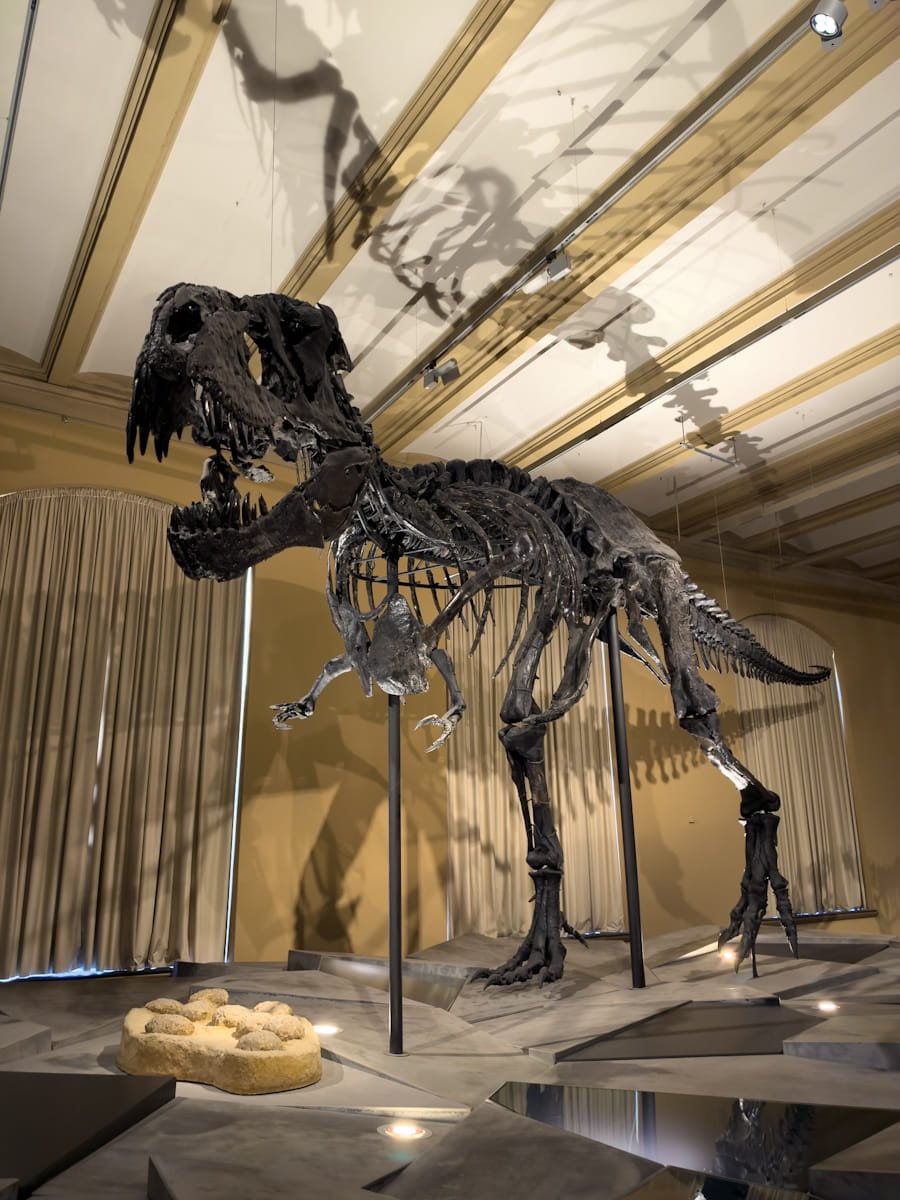

A real Tyrannosaurus rex skeleton on display at a museum in Berlin.
A Real T-Rex skeleton
Two LEGO-built figures posing alongside animals made entirely of LEGO bricks at LEGOLAND Discovery Centre in Berlin.
Lego Discovery center Berlin
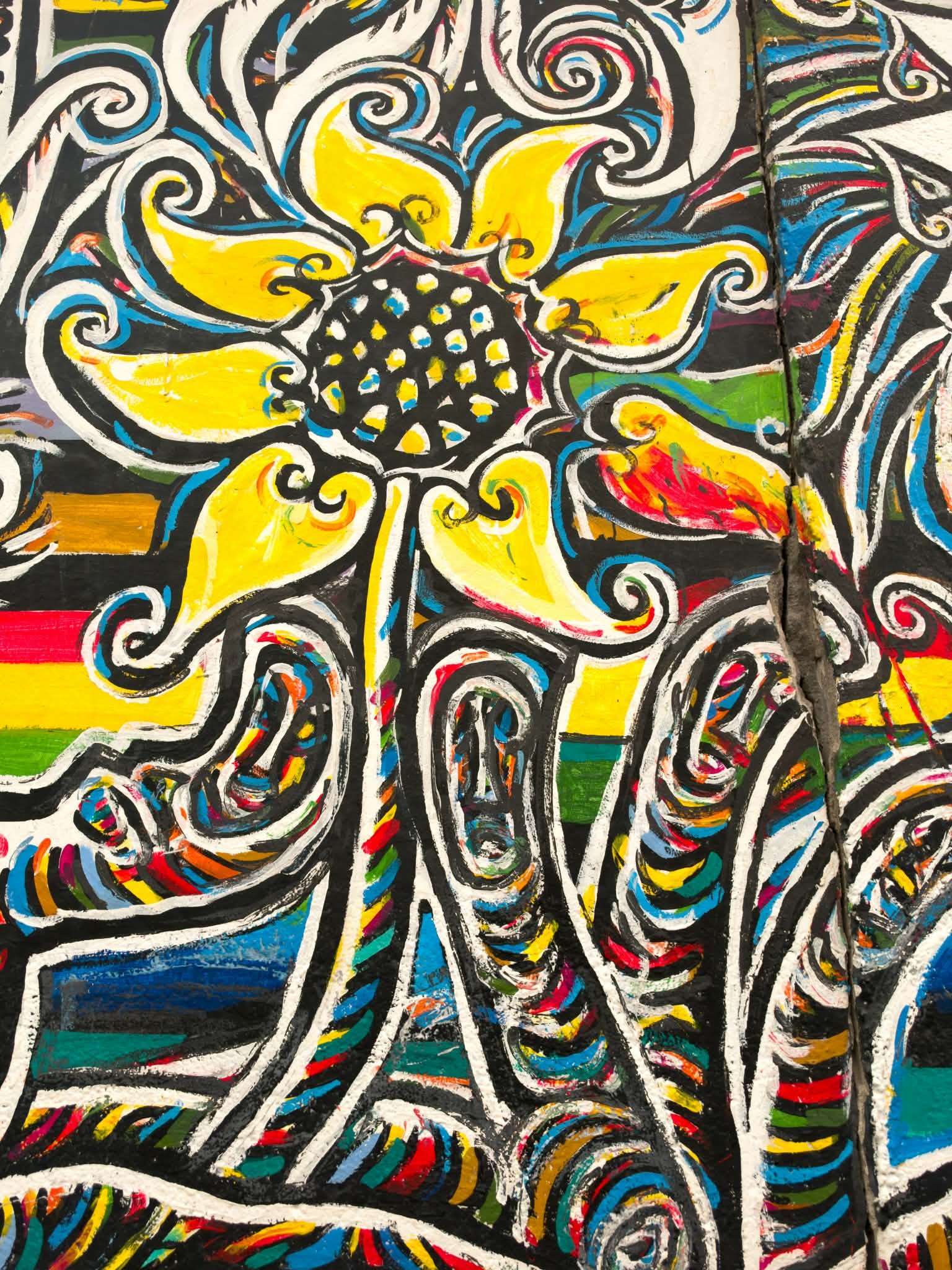
Close-up of a colourful sunflower mural with bold black-and-white swirls at Berlin's East Side Gallery.
East Side Gallery
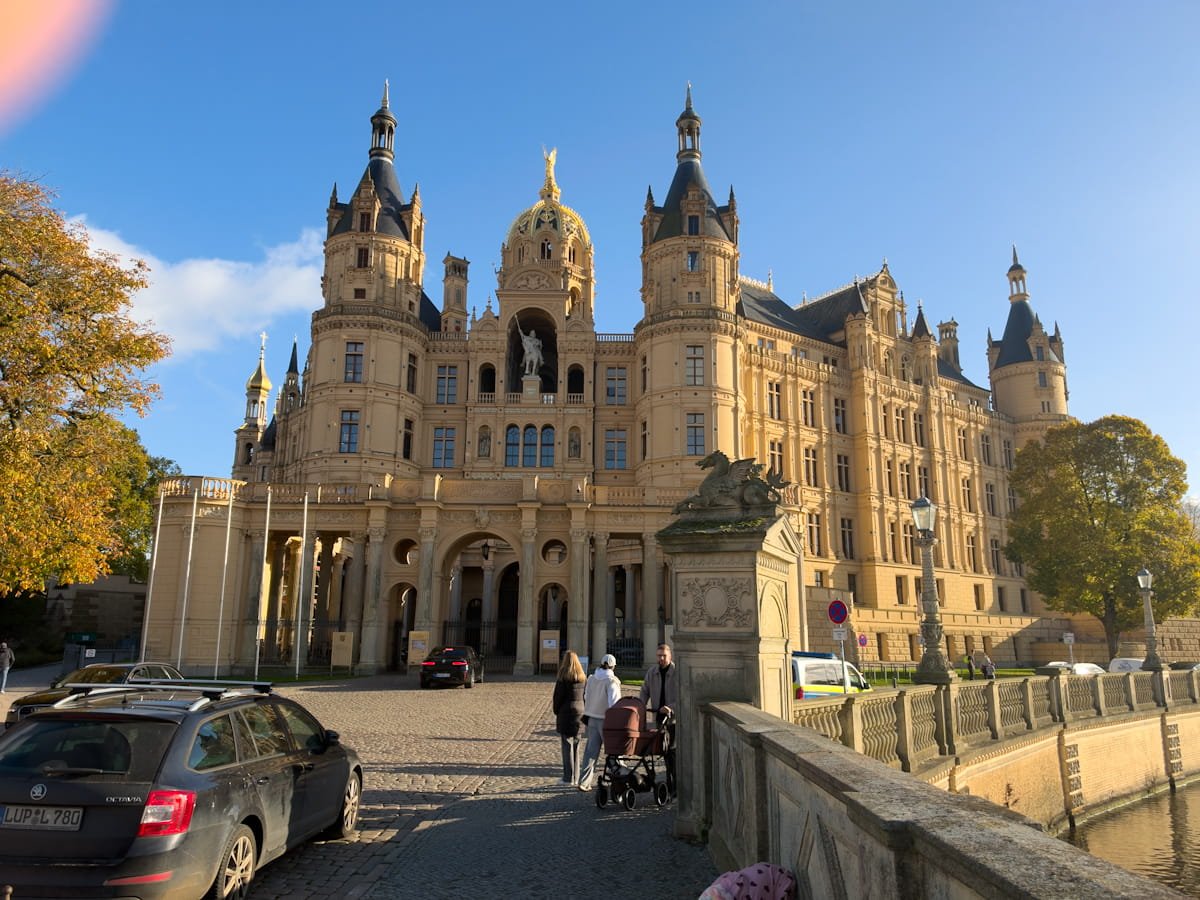
Schwerin Castle viewed from the bridge on a sunny October day, surrounded by autumn colours.
Schwerin Castle

Frequently Asked Questions

For me, May to September is the best window, and my favorites are late spring (May-June) and early autumn (September-October). The weather is pleasant, it’s less crowded than midsummer, and prices are lower. If you’re planning a road trip, I’d go in June or September for long daylight and fewer crowds.

  • Spring (April-June): Blooming landscapes, comfortable temperatures, and beer gardens opening up. Great for city trips and castles.
  • Summer (July-August): The warmest and sunniest season, ideal for the Baltic and North Sea coasts, lakes, hiking in the Alps, and road trips. It’s also the busiest and most expensive time, and school holidays vary by state.
  • Autumn (September-October): Wine harvest in the Rhine and Moselle valleys, golden foliage, and festivals like Oktoberfest (which actually starts in mid-September).
  • Winter (November-February): Cold and often grey, but the Christmas markets are magical, and the Alps are great for skiing.

Yes. Children under 12 years old who are shorter than 150 cm must use an approved child seat or booster. This applies in rental cars, and taxis have their own rules. When you book a rental car, reserve a child seat in advance (or bring your own).

On Deutsche Bahn, children under 14 travel free when accompanied by a parent or grandparent. Add them to your booking so they are listed on your ticket. Rules can change, so check the DB website before you travel.

In cities, tourist areas, hotels, and train stations, yes, and most younger people speak it well. In small villages and with older locals you may need a few German words, and “Hallo”, “Danke” and “Bitte” always go down well.

Taking the train
For city-to-city trips, the train is hard to beat. The fast ICE and IC trains connect all the big cities, and the DB Navigator app makes booking and tracking delays easy. If you book long-distance trains early, the “Sparpreis” fares can be much cheaper. Regional trains are slower, but I love them for reaching smaller towns.

The Deutschlandticket
If you’re staying a while, look into the Deutschlandticket. It covers all local and regional public transport across the country and currently costs €66.8 per month. It’s a monthly subscription you can cancel, but it doesn’t include the fast ICE and IC trains, so keep that in mind. Prices can change, so check the Deutsche Bahn website before you book.

Renting a car
For castles, the countryside, and road trips, a car is the way to go. There are no tolls for cars on the Autobahn, though some stretches have speed limits. Big cities often have low-emission zones, and rental cars usually already have the right sticker. City parking is tight and pricey, so for a city weekend I hop on public transport.

Long-distance buses
FlixBus is the budget option for connecting cities. It’s slower than the train, but often much cheaper.

Getting around in cities
Metro, trams, and buses are excellent. Day tickets usually beat single fares, and remember to validate paper tickets if the machine asks you to.

My favorite combo: train between the big cities, then a rental car for places like Bavaria, the Rhine Valley, or the Baltic coast.

Germany uses the euro (€), which is divided into 100 cents. Credit cards are widely accepted, but Germany is more cash-oriented than many countries, so I never rely on a card alone.

  • Visa and Mastercard work in most hotels, larger restaurants, supermarkets, and tourist attractions, especially in big cities. Contactless payment is becoming much more common.
  • Amex is accepted far less often.
  • Small businesses like bakeries, rural cafés, market stalls, and some small restaurants may take only cash, or German debit cards (Girocard) but not foreign credit cards.
  • Christmas markets, beer gardens, and festivals are usually cash-heavy.

My tip: always carry some cash.

Germans are friendly, but a few unwritten rules go a long way.

  • Punctuality matters. Being on time is a sign of respect, whether it’s a restaurant booking, a tour, or meeting friends. If you’re running late, send a quick message.
  • Greetings. Say “Hallo” or “Guten Tag” when entering shops, cafés, and waiting rooms, and “Tschüss” or “Auf Wiedersehen” when leaving. A handshake is standard in formal situations, and close friends and family often hug.
  • Du vs. Sie. Use the formal “Sie” with strangers, older people, and in business settings, until they offer “du.”
  • Tipping. Service is included, but it’s customary to round up or add about 5-10% for good service. Tell the waiter the total you want when you pay (“Stimmt so” means “keep the change”) instead of leaving money on the table.
  • Quiet hours. Sundays and public holidays are traditionally quiet. Avoid loud music or laundry in apartment buildings on those days and in the evening.
  • Rules and recycling. Germans take rules seriously, from waiting at red lights (people will frown if you cross, especially with children watching) to separating waste. Bottles often carry a deposit (Pfand) you can get back at a supermarket machine.
  • Bike lanes. Don’t walk in marked bike lanes. Cyclists move fast and expect them to be clear.
  • Dining. Seating is often shared at busy places, so ask “Ist hier frei?” before sitting at a table with strangers. Waiters won’t bring the bill unprompted, so ask for it (“Die Rechnung, bitte”). Tap water isn’t automatic, and sparkling water is common.
  • Directness. Germans tend to be direct and honest. It’s not rudeness, just a clear communication style.

Looking for a specific place or experience? Search below to see if we’ve explored it already.